Hull condition and coatings
Confirm whether the substrate is steel, aluminium, GRP or another construction and identify existing coatings. Adhesion and compatibility need assessment; a product should not be assumed suitable for every hull material.
Spray foam insulation for suitable hulls and superstructures, planned around the vessel’s use, fit-out and inspection requirements.
Discuss your project →Marine insulation starts with the vessel rather than a standard foam thickness. A working boat, hire craft and accommodation vessel can have different temperature, ventilation, lining and maintenance requirements. Identify the hull material, condition and planned use before choosing the build-up.
Sprayed insulation can follow curved internal surfaces and ribs where access permits. The coverage needs to be coordinated with services, openings, drainage and the finished lining. It is not a substitute for hull repairs, corrosion treatment, vessel certification or an engineered buoyancy system.
Confirm whether the substrate is steel, aluminium, GRP or another construction and identify existing coatings. Adhesion and compatibility need assessment; a product should not be assumed suitable for every hull material.
Agree which welds, fittings, valves and service routes must remain accessible. Plan battens, cables, linings and clearances before spraying so the insulation does not obstruct future inspection.
Consider occupancy, cooking, heating and wet use with the ventilation design. Insulation can help control condensation on treated surfaces, but untreated ribs, openings and moisture sources still matter.
Selected from the Duratite application library.
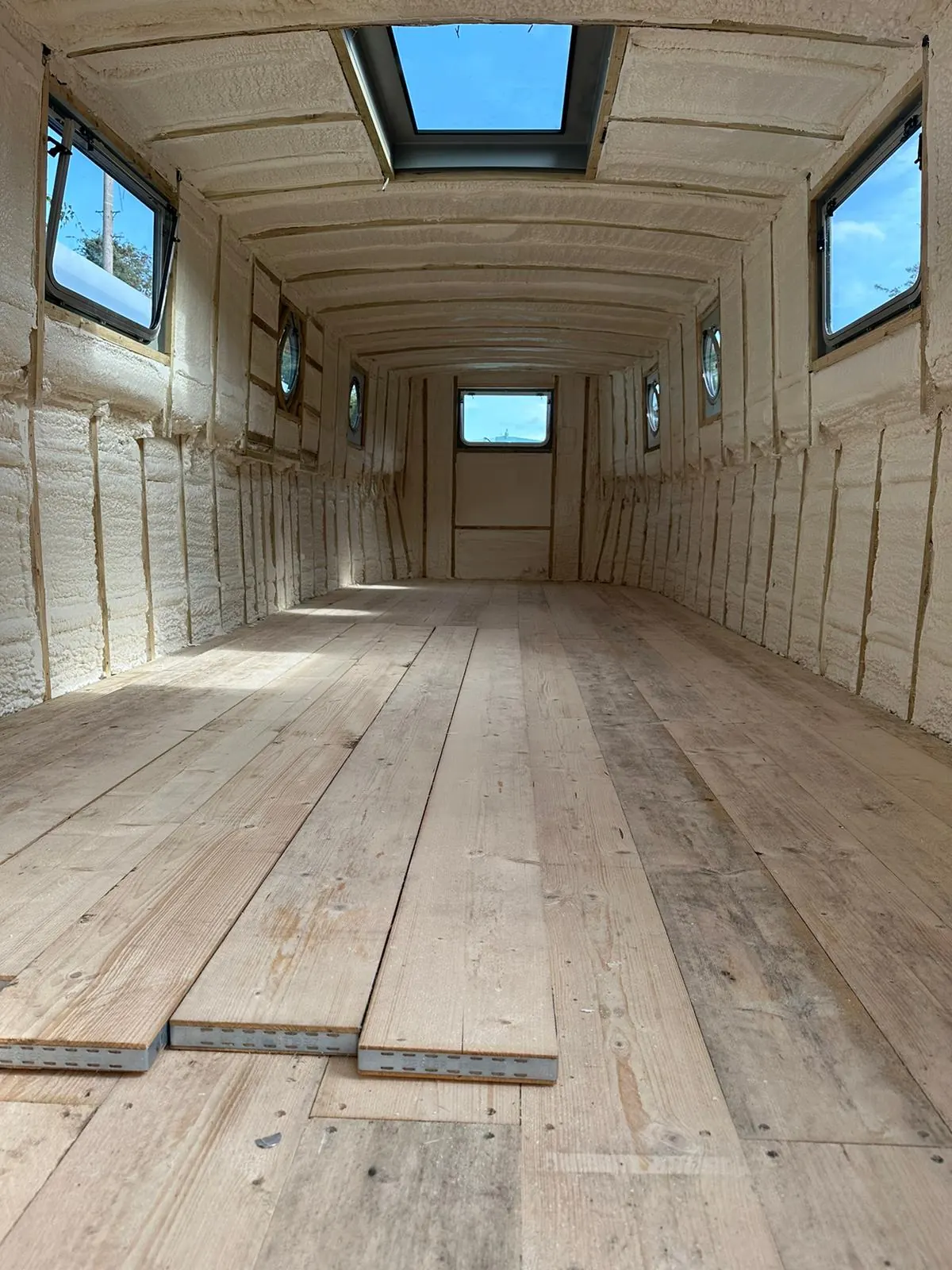
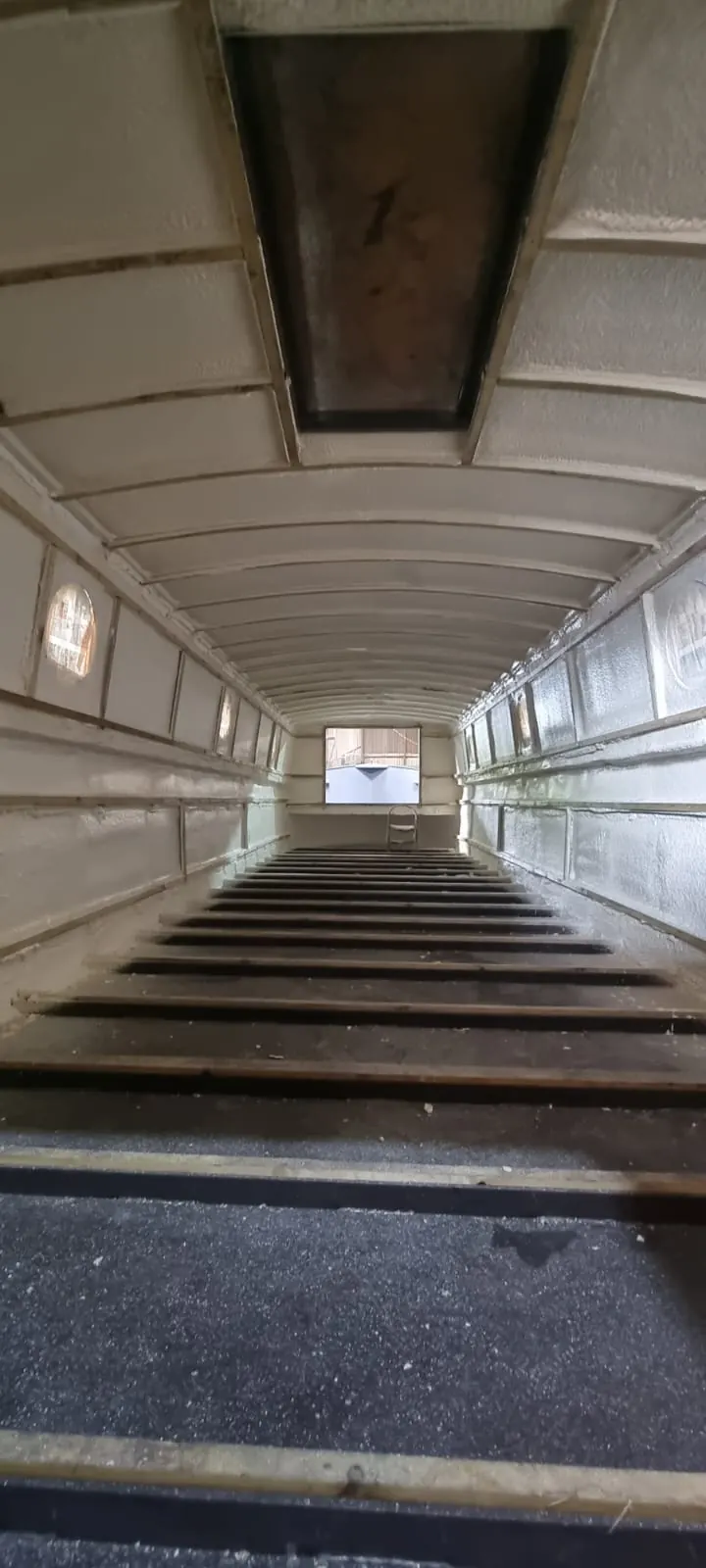
Send photographs, dimensions, site location and the intended use. Include known defects and the outcome you need, such as reducing heat loss or addressing cold-surface condensation.
The survey establishes the accessible substrate, preparation, moisture conditions and practical installation scope. Drawings and existing records help resolve interfaces with other parts of the building or vessel.
Compare the complete work package: preparation, insulation, protective finish, access and reinstatement. Agree responsibilities and the programme before the work begins.
Arrange inspection before the insulation is concealed. Keep the agreed specification, product details and installation records with the asset’s maintenance information.
Understand commercial spray foam costs · Compare insulation approaches
Access determines the practical scope. Linings or equipment may need to be removed and surfaces assessed before an installation can be specified. Send photographs and describe what can be exposed.
No. Corrosion, coatings and the condition of the hull need assessment before insulation. Inspection and maintenance access must remain part of the design.
The treated area, substrate condition, specified thickness, preparation, access equipment and finish all influence the price. Include the work programme and any removal or reinstatement in the enquiry so quotations cover the same scope.
Confirm the product and application, prepared substrate, intended thickness, junction details, protective finish and access arrangements. Ask for the relevant product information, installation records and the specific terms of any proposed warranty.
Send us your building details and our technical team will specify the right system and a clear budget. No obligation.