Temperature and contents
Provide the normal and maximum surface temperatures, process cycle and relevant environmental conditions. Check the selected product’s service limits against the actual duty.
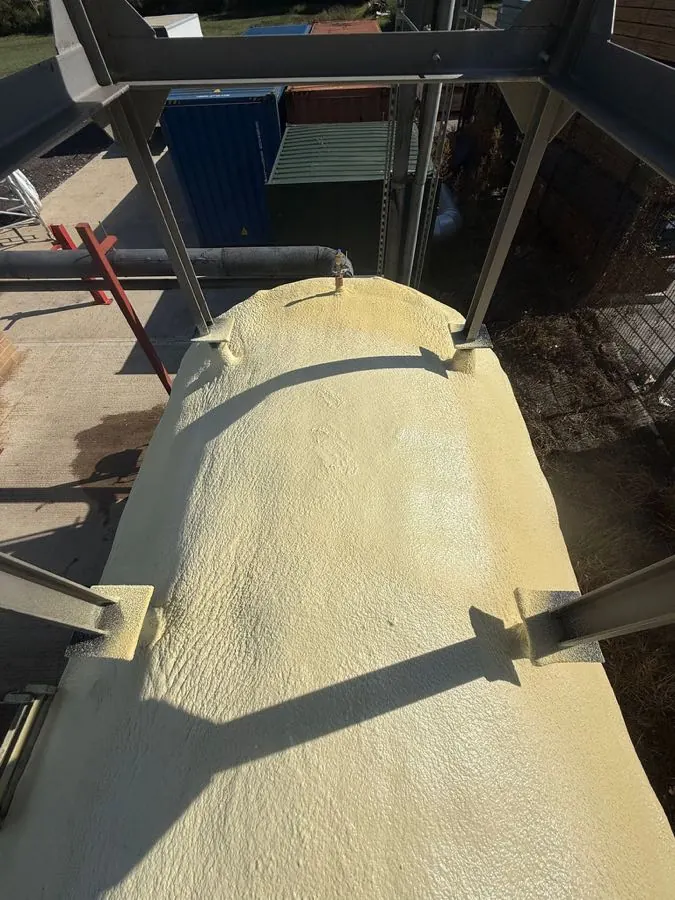
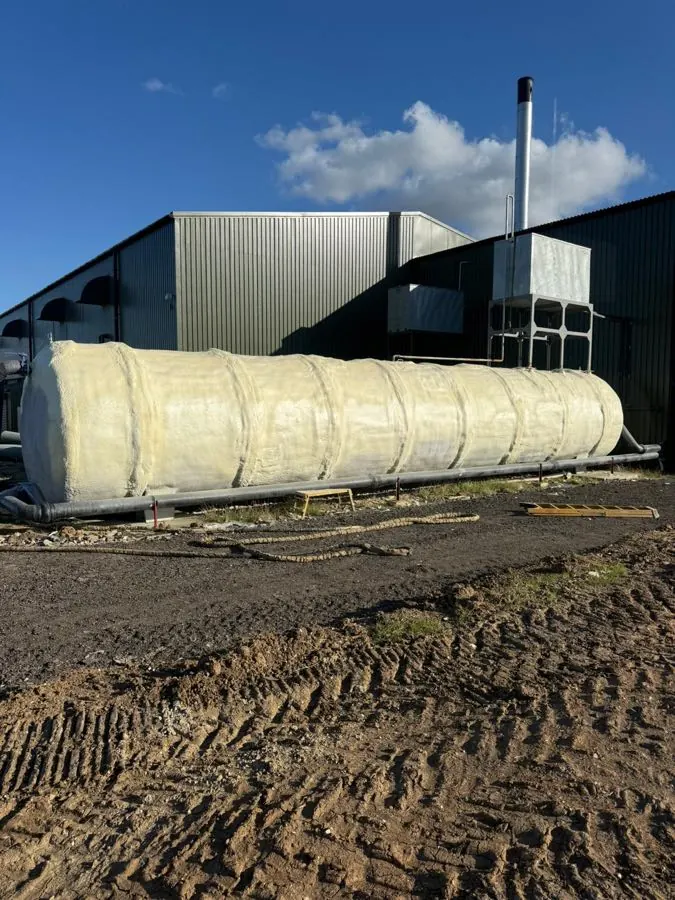
Thermal insulation for suitable tank and vessel exteriors, specified around operating temperature, contents, maintenance and protective finishes.
Discuss your project →Tank insulation starts with the process brief. Stored contents, operating and standby temperatures, cycling, location and cleaning conditions determine whether a product and build-up are suitable. A generic building-insulation specification should not be transferred automatically to a process vessel.
Define whether the proposal concerns the exterior of the tank, associated pipework or another surface. Insulation is not a repair to the vessel, a pressure-retaining layer or an automatic lining for contact with stored liquids. Product compatibility needs to be confirmed for the intended duty.
Provide the normal and maximum surface temperatures, process cycle and relevant environmental conditions. Check the selected product’s service limits against the actual duty.
Map valves, labels, access hatches, supports and inspection points. Plan how the insulation and any cladding will accommodate maintenance and future examination.
External exposure, UV, impacts and washdown may require a specified coating or cladding system. The thermal layer and its protection should be priced together.
Selected from the Duratite application library.
Send photographs, dimensions, site location and the intended use. Include known defects and the outcome you need, such as reducing heat loss or addressing cold-surface condensation.
The survey establishes the accessible substrate, preparation, moisture conditions and practical installation scope. Drawings and existing records help resolve interfaces with other parts of the building or vessel.
Compare the complete work package: preparation, insulation, protective finish, access and reinstatement. Agree responsibilities and the programme before the work begins.
Arrange inspection before the insulation is concealed. Keep the agreed specification, product details and installation records with the asset’s maintenance information.
Understand commercial spray foam costs · Compare insulation approaches
Do not assume that a general spray foam is approved for direct contact with potable water or process contents. Such applications need specific product approval and a separate design.
No. Surface condition, moisture management, coating compatibility and inspection access need assessment. Insulation must not hide unresolved corrosion or vessel defects.
The treated area, substrate condition, specified thickness, preparation, access equipment and finish all influence the price. Include the work programme and any removal or reinstatement in the enquiry so quotations cover the same scope.
Confirm the product and application, prepared substrate, intended thickness, junction details, protective finish and access arrangements. Ask for the relevant product information, installation records and the specific terms of any proposed warranty.
Send us your building details and our technical team will specify the right system and a clear budget. No obligation.