Why the contractor matters as much as the product
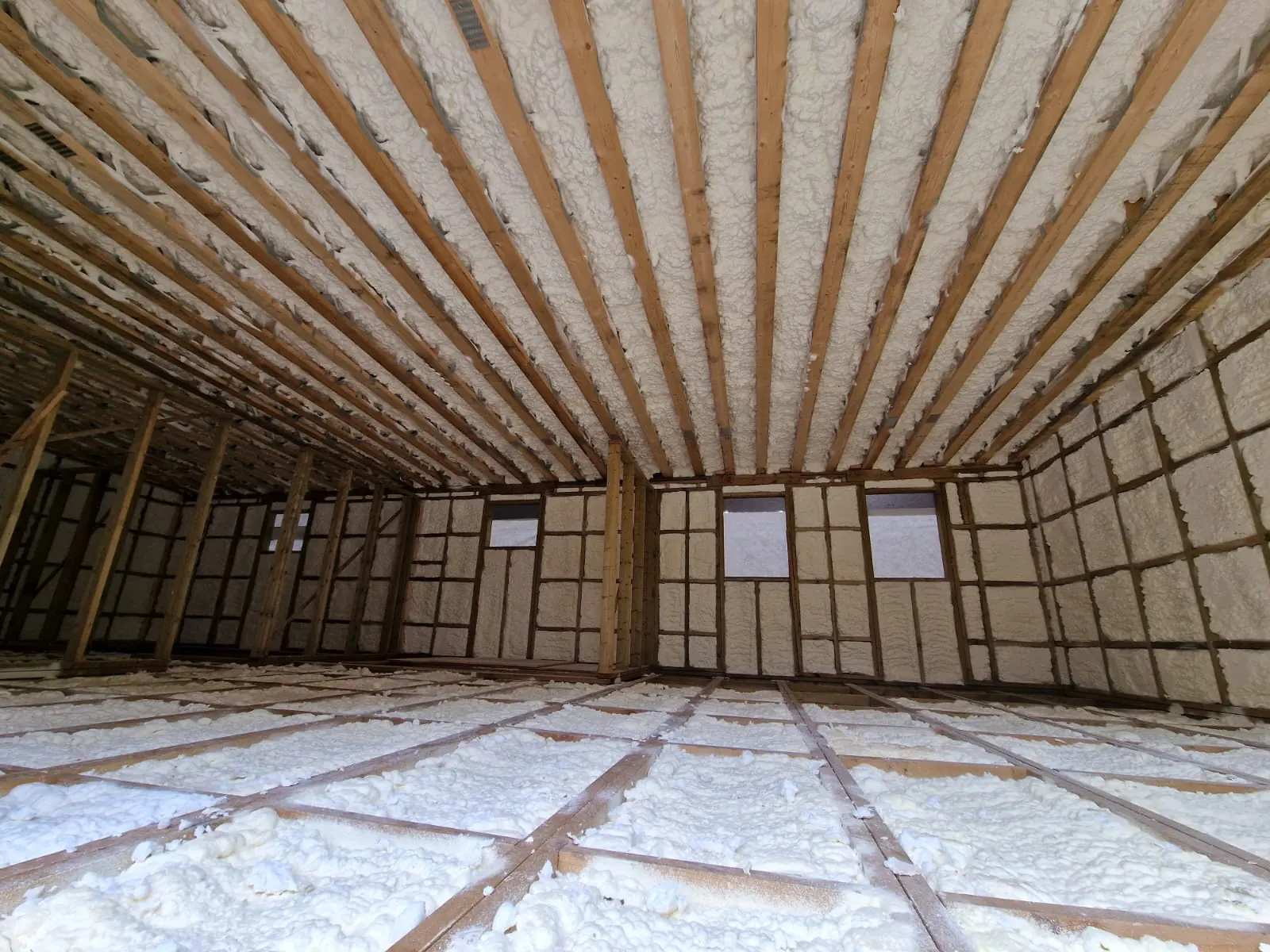
Spray foam insulation is only as good as the team applying it. Closed-cell foam is mixed and sprayed on site, then self-bonds to the substrate as it cures, forming a continuous, seamless layer. Get the substrate preparation, ambient conditions or application technique wrong and even an excellent product underperforms.
For commercial, industrial and agricultural buildings the stakes are higher still: larger areas, working at height, occupied premises and tighter compliance demands. A specialist commercial contractor brings the systems, training and documentation that a general installer simply cannot. Treat contractor selection as the central decision, not an afterthought.
Insist on a certified, warrantied system
Third-party certification is your single most useful filter. ThermoFoam, as part of the Duratite Group, installs Enverge closed-cell spray foam — trade name Nexseal LE — for which Duratite is the UK distributor of record.
Independent system certification means the product has been assessed for its intended use, giving specifiers, building control and warranty providers confidence. Be wary of contractors who cannot name the product they install or point you to its certification. If a system has no recognised UK certification, that is a reason to pause and ask why.
Check applicator training and approval
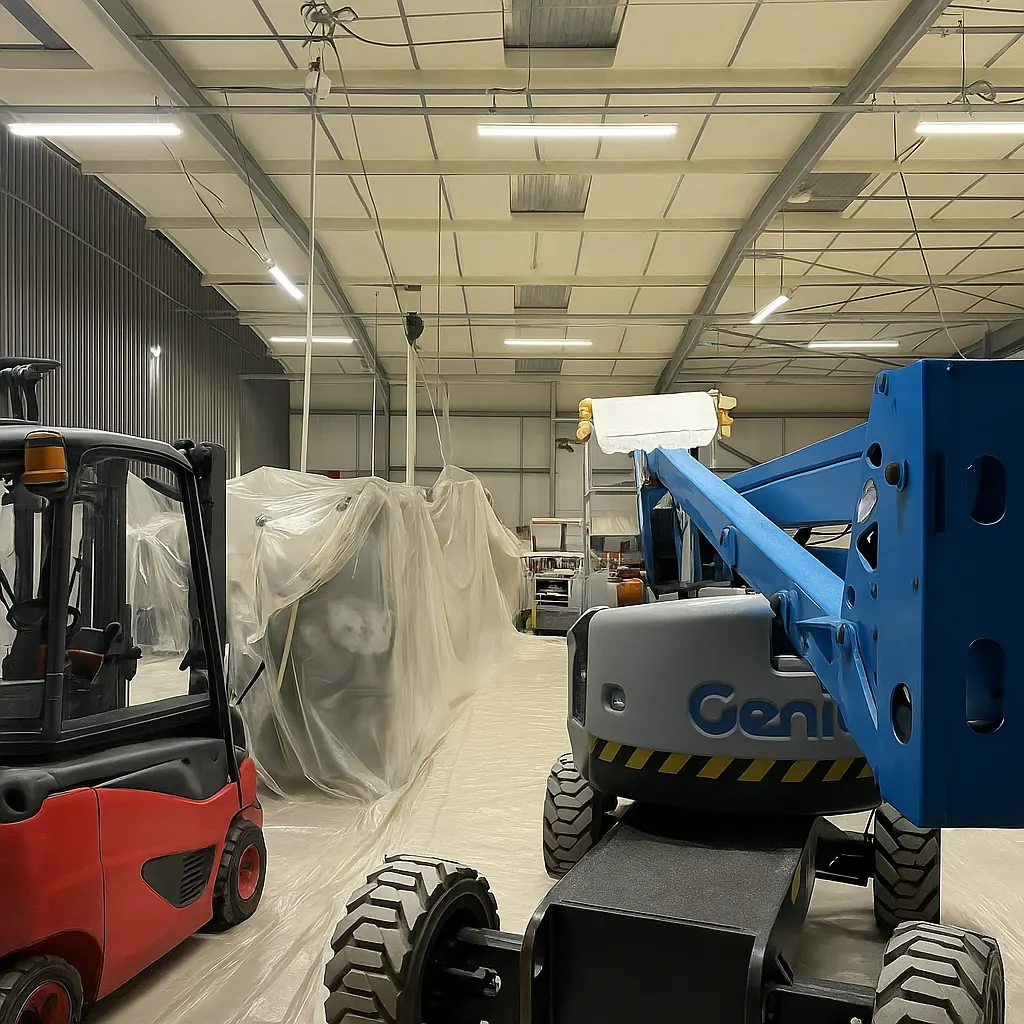
Spray foam should only be applied by trained, manufacturer-approved operatives. Application quality depends on correctly calibrated equipment, the right substrate temperature and moisture conditions, and an experienced eye for thickness and coverage across an entire roof or wall.
Ask who will actually be on site, what training they hold and whether they are approved to install the specific certified system. A reputable commercial contractor will be happy to confirm their applicators' credentials and show recent comparable projects rather than dodge the question.
Demand a proper site survey and method statement
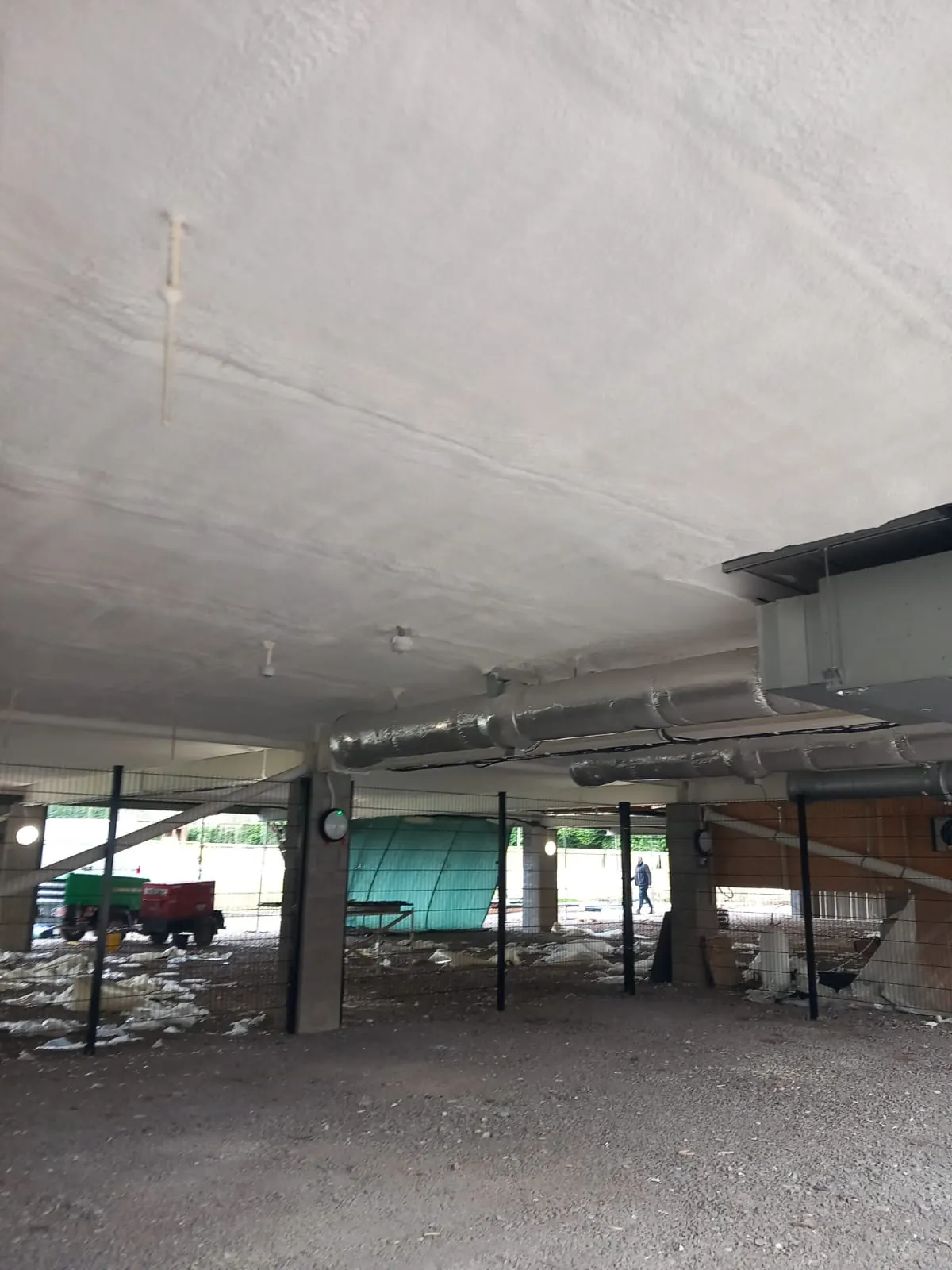
No serious commercial quotation should be issued without a site survey. The surveyor needs to assess the substrate, existing condition, access, ventilation and any moisture or condensation risk before recommending a specification. A fixed price given over the phone, sight unseen, is a warning sign.
From that survey you should receive a clear scope, a method statement explaining how the work will be carried out, and project-specific risk assessments. These documents protect you, demonstrate competence and give your principal contractor or building control the detail they need.
- A documented site survey before any firm price is quoted
- A written method statement covering substrate prep, application and curing
- Project-specific RAMS (Risk Assessment & Method Statement)
- A clear, itemised scope so you know exactly what is and isn't included
Understand the warranty — and what backs it
Warranty wording matters. The Enverge closed-cell system ThermoFoam installs carries a 25-year manufacturer-backed product warranty. That phrasing is deliberate: it is backed by the manufacturer, not an insurance policy. Be cautious of vague claims about cover that cannot be evidenced in writing.
Ask for the warranty terms before you commit, confirm what they cover and for how long, and make sure the issuing entity is clear. A trustworthy contractor explains warranty scope plainly and never overstates it. If a promise sounds too generous to be documented, treat it sceptically.
Verify commercial specialism, references and asbestos competence
Domestic spray foam and commercial spray foam are different disciplines. Ask specifically for references and case studies from buildings like yours — warehouses, factories, cold stores or agricultural units — and follow them up. Genuine commercial experience shows in how a contractor scopes access, programme and occupied-site working.
Many older commercial and agricultural roofs contain asbestos cement sheeting. Spraying over or working around it demands proper awareness and the right competence and procedures. A capable contractor will identify this at survey stage and handle it responsibly rather than ignoring it.
- References and case studies from comparable commercial buildings
- Demonstrable specialism in industrial and agricultural work, not just domestic
- Asbestos awareness and a sensible plan where ACMs may be present
- Appropriate insurance and health-and-safety competence for working at height